

Reframing the Underworld 🌑⚡
What Three Goddesses of the Underworld Taught Me About Myself.

I was recently listening to Kristina Dryža’s TEDTalk on Archetypes and Mythology when she said something that made me pause the video.
“We think something is wrong when we’re in the Underworld, but there is no process of growth that doesn’t demand a sacrifice.”
I thought about that for a long time. I’m still thinking about it—writing you this very note today!
On one hand, it goes against my belief that everything worth having demands hard work and sacrifice (that’s so late-stage capitalism and the patriarchy in your ear, babe). But on the other hand, I truly believe we have to reframe how we think about the Underworld, the more difficult seasons of our lives, and the aspects of ourselves that we’d rather hide away.
This statement led me to explore: How can the Goddesses of the Underworld teach us to shift our mindset about the less-than-shiny seasons and facets of ourselves today?
Here’s what I came up with.
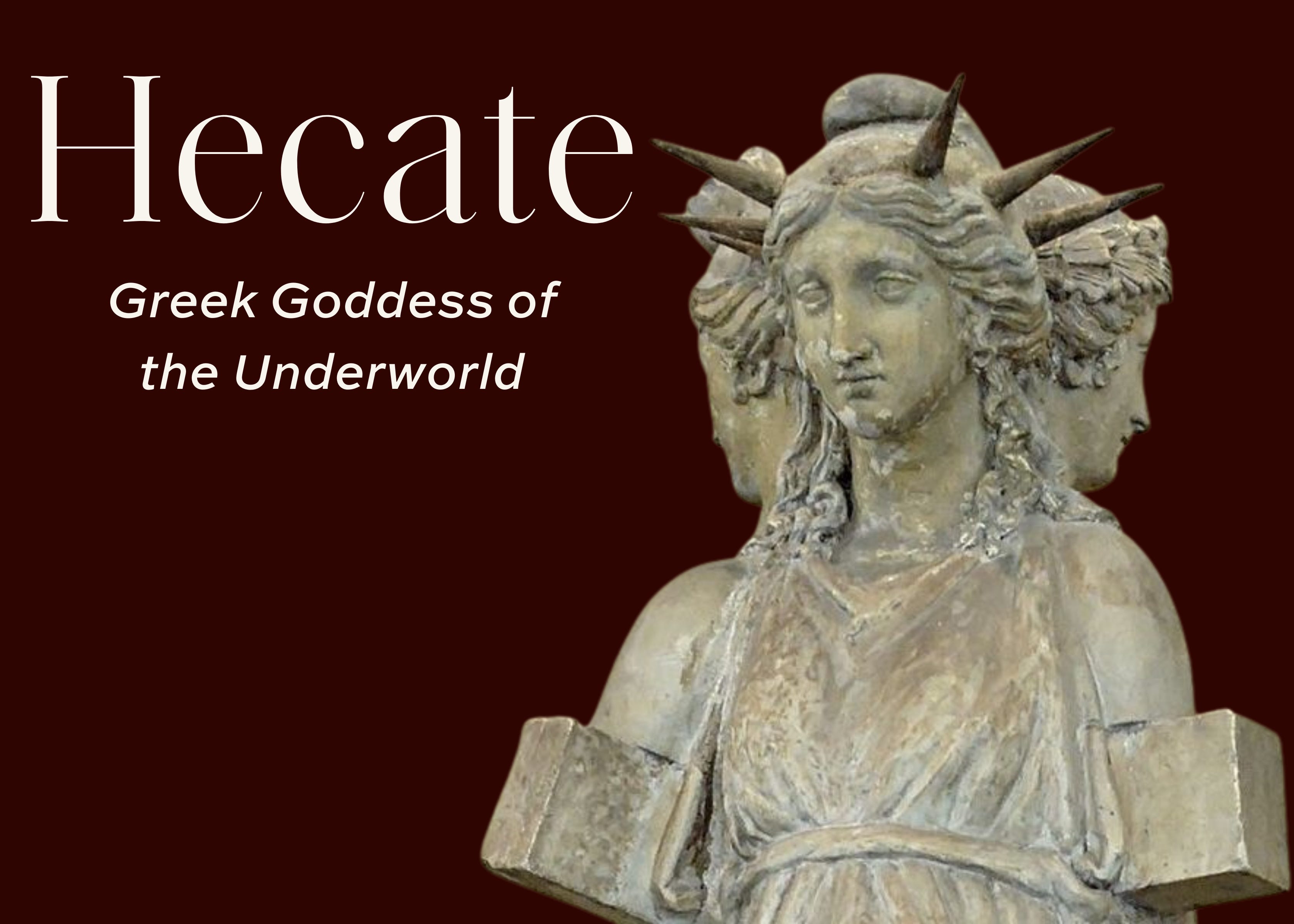
Hecate says to embrace our complex nature.
As humans, society hammers into us that we have to be one thing to be digestible.
“I’m an engineer.”
“I’m a mother.”
“I’m a pet rescue volunteer.”
“I’m tough as nails.”
The list goes on, but as Queen Meredith Brooks sang in her song “Bitch”…
I'm a bitch, I'm a lover
I'm a child, I'm a mother
I'm a sinner, I'm a saint
I do not feel ashamed
I'm your Hell, I'm your dream
I'm nothing in between
—and we wouldn’t have it any other way! There’s a reason we’re still scream-singing this as an anthem in our cars almost 30 years later. It struck a chord and channeled Hecate's message: we can be multiple things at once.
Often depicted as possessing three faces and standing at a crossroads with the freedom to visit both the Underworld and the living, Hecate encourages us to embrace our dual nature and live a life that’s true to us, regardless of what people say is possible.
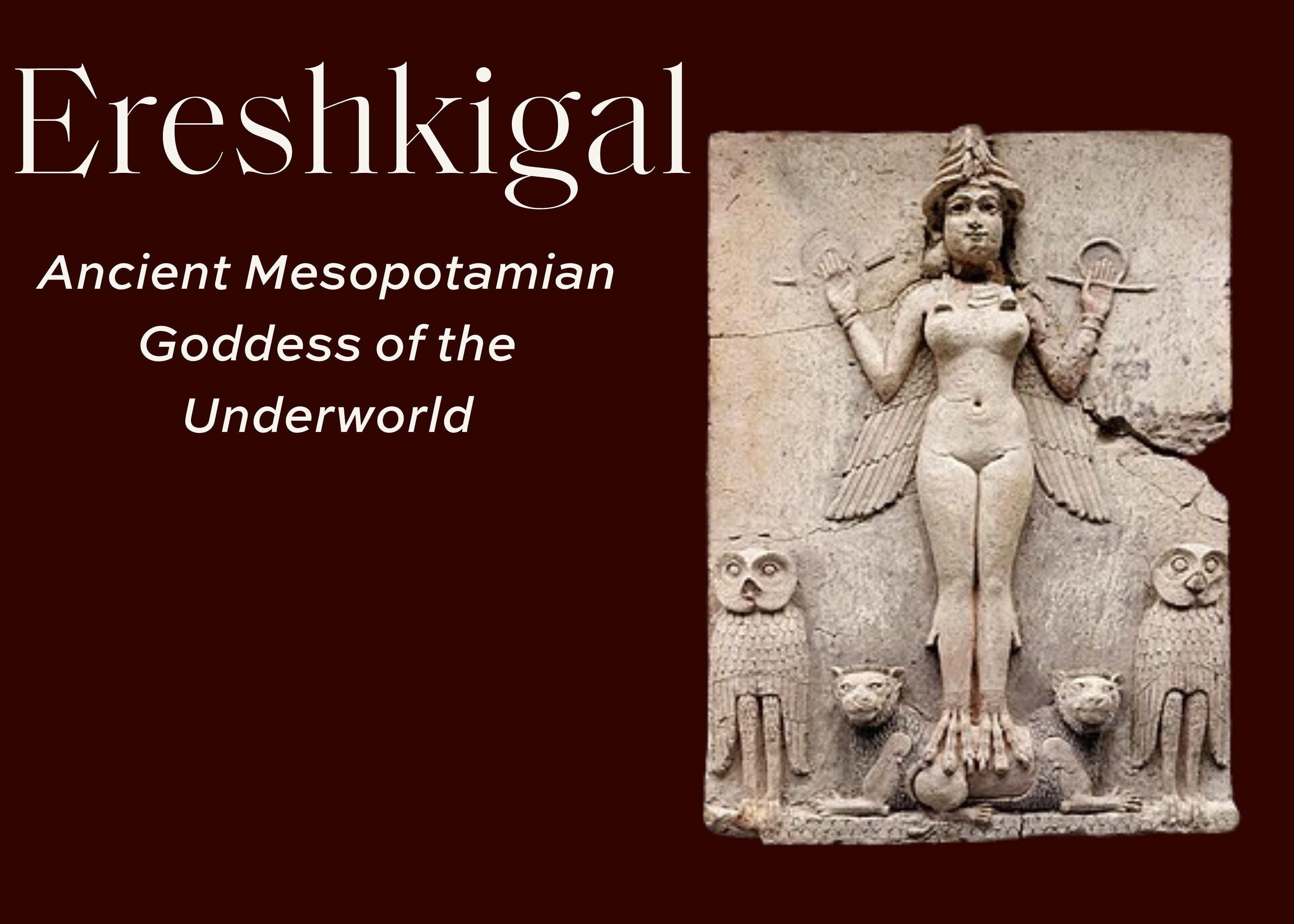
Ereshkigal urges us to bloom where we’re planted.
The story of Ereshkigal recounts her kidnapping and transport to the Underworld, where she is to reside for the rest of her days. Instead of falling into the pits of despair (which, let’s be real, would be valid), she turns it into her kingdom and enforces laws no one else could, mythologizing herself as a storied ruler.
It begs us to ask:
In what ways are we playing the victim?
Are we using past stories to hold ourselves back?
Who has too much control over us + how can we assert ourselves?
Ereshkigal does not hide, and she is not afraid.
She’s the ruler of her own destiny.
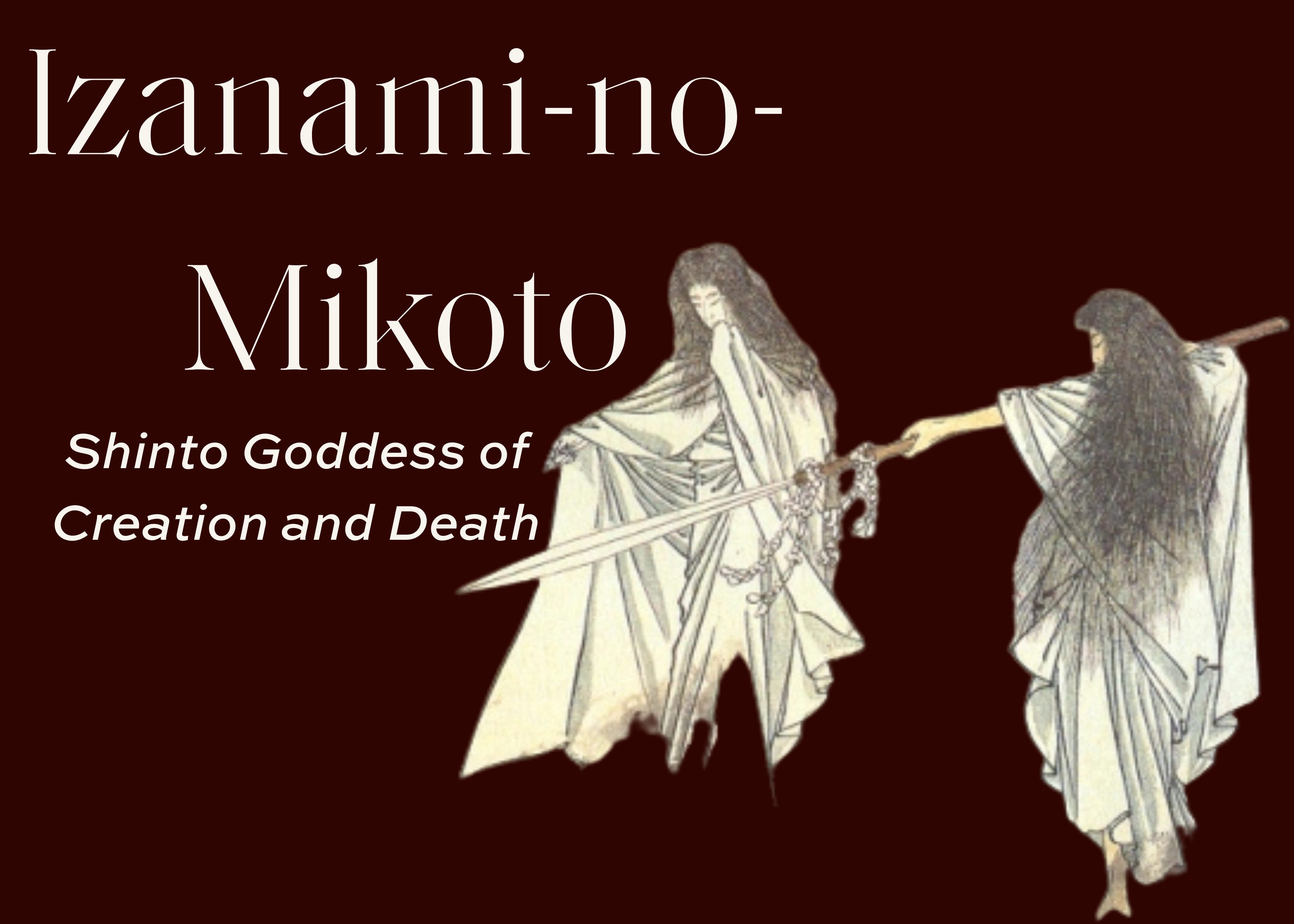
Izanami-no-Mikoto teaches us that though life is fragile, we are strong.
Izanami-no-Mikoto became the Goddess of the Underworld after dying while giving birth. Though she died a grueling death, she showed resilience and became a source of power that people still look up to today.
Reading the myth of Izanami-no-Mikoto made me feel less afraid of the tough roads ahead and served as a reminder that, despite certain journeys being difficult, I’m much stronger.

I’m curious: Do you resonate with any of the Goddesses here? What came up for you? Let’s chat in the comments!
Thanks so much for reading MUSE.ings, it means more than you know that you’re here + enjoying my words! You can order the monthly print edition of the newspaper I founded here, follow me on Instagram here, and subscribe using the link below.
I needed and felt this. I often think of Hecate, but have never heard of the other two. Thank you 🪷
God(dess), I love your brain